Quilt Art Patterns 280: A Comprehensive Guide to Geometric Laser-Cut Wall Decor
In the evolving landscape of modern home decor, the intersection of traditional craftsmanship and digital fabrication has created exciting new opportunities for creators. Quilt Art Patterns 280 represents a significant resource in this space, offering a curated collection of geometric barn quilt designs specifically optimized for laser cutting technology. This digital design set bridges the gap between the rustic charm of heritage quilting and the precision of contemporary manufacturing, allowing hobbyists, professional makers, and interior design enthusiasts to produce stunning, personalized wall art with remarkable efficiency.
Understanding the Fusion of Tradition and Technology
Barn quilts have long been a staple of rural architecture, serving as vibrant, large-scale geometric paintings that adorn the sides of barns across North America. These patterns are rooted in history, often telling stories or representing family heritage through bold colors and shapes. However, translating these two-dimensional painted concepts into three-dimensional, textured wall art requires a different approach. This is where Geometric Barn Quilt Patterns DIY Quilt Art for Laser Cutters comes into play.
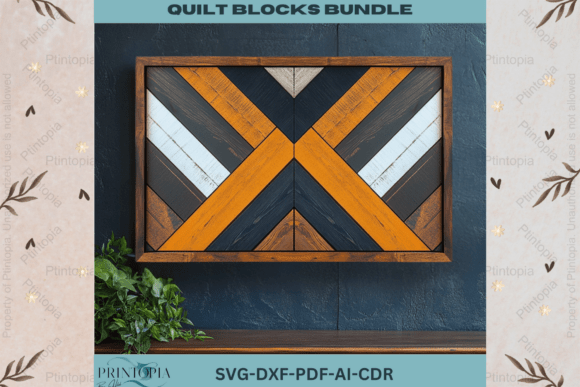
By utilizing laser cutting technology, creators can transform flat vector designs into layered, tactile pieces. The Quilt Art Patterns 280 collection provides the foundational blueprints necessary for this transformation. Instead of painting on wood, users cut intricate shapes from various materials, layering them to create depth, shadow, and visual interest. This method not only modernizes the aesthetic but also opens up a wider range of material possibilities, from natural woods and acrylics to metals and composites.
The Value of Digital Versatility
One of the primary advantages of this digital design set is its compatibility. In the world of digital fabrication, file format fragmentation can often be a barrier to entry. Many design files are locked into specific software ecosystems, forcing users to purchase expensive subscriptions or learn complex conversion techniques. This collection mitigates that friction by including a comprehensive suite of file formats:
- SVG (Scalable Vector Graphics): As the industry standard for laser cutting, SVG files ensure crisp lines and precise cuts. They are universally supported by most modern laser cutter software, making them ideal for beginners and professionals alike.
- DXF (Drawing Exchange Format): Widely recognized in CAD environments, DXF files offer flexibility and accuracy for users who prefer engineering-focused software.
- AI (Adobe Illustrator): For designers who wish to modify the base patterns, AI files allow for easy customization within Adobe Illustrator, enabling unique tweaks to geometry or scale.
- PDF (Portable Document Format): Useful for quick viewing, printing templates, or sharing designs with clients who may not have specialized software.
- CDR (CorelDRAW): Fully compatible with CorelDRAW, this format ensures smooth workflow for users entrenched in the Corel ecosystem.
This multi-format approach ensures that whether you are using a Glowforge, Xtool, Omtech, Gweike, or an industrial-grade CO2 laser, the files integrate seamlessly into your existing workflow. It removes the technical hurdle, allowing the creator to focus on the artistic aspect of the project rather than file management.
Practical Applications and Real-World Scenarios
The utility of Quilt Art Patterns 280 extends far beyond simple home decoration. Understanding how these patterns can be applied in various contexts helps creators maximize their value.
Residential Interior Design
For homeowners, these geometric patterns offer a way to add warmth and texture to modern spaces. A layered wood barn quilt can serve as a striking focal point above a mantel, in a entryway, or as part of a gallery wall. Because the designs are digital, they can be scaled to fit any space, from small apartment accents to large statement pieces in open-concept living areas. The ability to choose different wood stains or paint finishes for each layer allows the art to match existing color palettes perfectly.
Commercial and Hospitality Spaces
Restaurants, cafes, and boutique hotels often seek unique decor that tells a story. Geometric barn quilt art evokes a sense of heritage and craftsmanship, which aligns well with establishments aiming for a rustic-chic or artisanal vibe. Business owners can use these patterns to create branded wall installations, perhaps incorporating company colors into the layered design. The durability of laser-cut materials also makes them suitable for high-traffic areas where traditional paper or canvas art might degrade.
Gift Giving and Personalization
Handcrafted items carry emotional weight. Using Geometric Barn Quilt Patterns DIY Quilt Art for Laser Cutters, creators can produce personalized gifts for weddings, housewarmings, or holidays. By selecting specific patterns that hold symbolic meaning or by customizing the size to fit a recipient’s space, the giver offers a thoughtful, one-of-a-kind item. The inclusion of frame cutting plans in the set further simplifies this process, ensuring that the final product looks professional and finished.
Evaluating Suitability for Your Projects
While the versatility of Quilt Art Patterns 280 is a major strength, it is important for users to evaluate whether this type of project aligns with their skills and resources. Here are several considerations to keep in mind:
- Material Selection: Laser cutting behaves differently depending on the material. Wood veneers offer flexibility and ease of layering, while thicker hardwoods provide durability but may require more powerful lasers. Acrylics can create modern, translucent effects but require careful handling to avoid melting edges. Understanding your machine’s capabilities is crucial before starting.
- Layering Complexity: Some designs in the collection may involve multiple layers. While this adds depth, it also increases assembly time and adhesive requirements. Beginners might want to start with simpler, two-layer patterns before tackling more intricate, multi-tiered designs.
- Finishing Techniques: The raw edge of a laser-cut piece can sometimes show char marks, especially on wood. Users should be prepared to sand, stain, or paint their pieces to achieve a polished look. The design file provides the shape, but the finish provides the quality.
- Scale and Proportion: Just because a pattern looks good on screen does not mean it will work at every size. Small details may become lost if the design is scaled down too much, while large empty spaces might look awkward if scaled up without adding intermediate layers. Testing with cardboard prototypes is a recommended best practice.
Strengths and Limitations of Digital Pattern Sets
Using a pre-made digital collection like Quilt Art Patterns 280 offers distinct advantages over designing from scratch. The primary benefit is time efficiency. Creating geometrically balanced, visually appealing patterns requires a strong understanding of design principles. This collection provides professionally vetted designs that are already optimized for cutting, saving hours of trial and error.
However, there are limitations. Since these are shared digital assets, other makers may produce similar-looking items. To maintain uniqueness, creators should focus on material choice, color combinations, and presentation. Additionally, while the files are compatible with many machines, users must still calibrate their specific equipment for speed and power settings to ensure clean cuts. The file is a blueprint, not a guarantee of perfect execution.
Getting Started with Your First Project
For those ready to dive in, the process begins with selecting a design that resonates with your aesthetic. Once chosen, import the appropriate file format into your laser cutter’s software. Arrange the pieces on the virtual bed to maximize material usage, keeping in mind the grain direction if using wood. Cut a test piece to verify dimensions and fit. Assemble the layers using wood glue or clear adhesive, ensuring alignment is precise. Finally, apply your chosen finish and mount the piece in a frame or directly on the wall.
The journey from digital file to physical art is rewarding. It combines the satisfaction of problem-solving with the joy of creation. Whether you are a seasoned laser cutter operator or a novice looking to explore digital fabrication, Geometric Barn Quilt Patterns DIY Quilt Art for Laser Cutters provides a robust foundation for producing beautiful, handcrafted decor.
Final Thoughts
In a market saturated with mass-produced decor, handmade items stand out for their quality and character. Quilt Art Patterns 280 empowers creators to participate in this movement by providing accessible, high-quality designs that honor traditional aesthetics through modern technology. By understanding the tools, materials, and techniques involved, users can unlock the full potential of these patterns, creating art that is not only visually stunning but also deeply personal. Whether for home, business, or gift-giving, these geometric barn quilt patterns offer a versatile and engaging pathway to creative expression.