String Art Clover: A Creative Guide
The intersection of traditional craftsmanship and modern digital fabrication offers a unique playground for creators. String Art Clover Paintings Threads represents more than just a decorative item; it is a bridge between the tactile satisfaction of hand-wound thread and the precision of computer-controlled manufacturing. For designers, hobbyists, and small business owners, understanding how to leverage this hybrid approach can unlock new revenue streams and creative possibilities. Whether you are looking to create heartfelt handmade gifts or scalable products for an online store, mastering the workflow from digital file to physical object is essential.
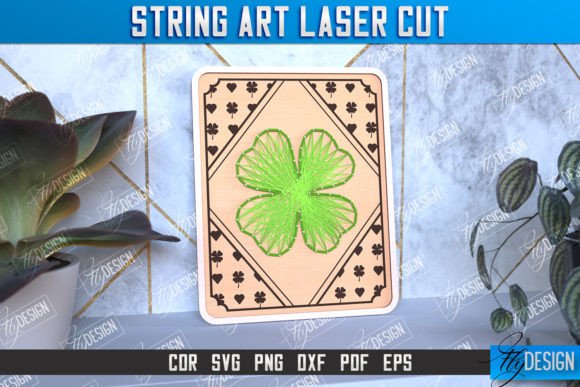
At its core, string art relies on the tension and arrangement of threads around pinned points to create geometric patterns and images. The clover motif, with its symmetrical lobes and organic curves, provides an ideal canvas for this technique. It is recognizable, aesthetically pleasing, and structurally sound for thread wrapping. However, the true innovation lies in how we prepare the base material. By utilizing laser-cut bases, we eliminate the tedious and error-prone process of manually drilling holes or hammering nails. This shift allows creators to focus on the artistic aspect—the winding of the threads—while ensuring a professional, consistent foundation.
The Power of Precision in Digital Fabrication
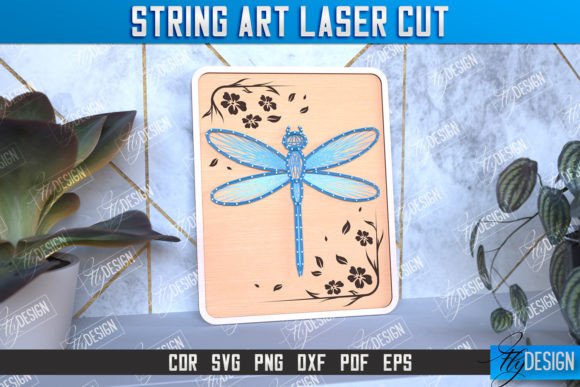
When working with String Art Laser Cut Handmade Gifts Paintings Threads, the quality of your final product is dictated by the accuracy of your digital files. This is where the distinction between cutting and engraving becomes critical. A well-prepared file ensures that your laser cutter performs exactly as intended, saving material and time. The standard convention for these files uses color coding to instruct the machine: a RED line typically indicates where the laser should cut through the material, while a BLACK line signals where it should engrave or etch the surface.
This separation is not merely a technicality; it is a design tool. The cut lines define the outer shape of your clover and the specific points where the thread will anchor. The engrave lines, on the other hand, can be used to add subtle details, such as numbering the pins for easier assembly instructions, adding branding to the back of the piece, or creating visual guides that remain hidden beneath the threads. Ensuring your cutting machine and software are compatible with these vector paths is the first step in a successful project. Most modern CNC and laser systems accept standard vector formats, but verifying settings before a full production run is a best practice that prevents costly mistakes.
Versatility Across File Formats
One of the significant advantages of purchasing or creating a comprehensive digital package is the flexibility it offers. A robust archive for this type of project should include multiple file types to accommodate various software ecosystems and user skill levels. Typically, a complete zip archive will contain:
- SVG (Scalable Vector Graphics): Ideal for web-based design tools and many laser cutting software platforms. It maintains quality at any size.
- EPS (Encapsulated PostScript): A standard for professional graphic design software like Adobe Illustrator, allowing for easy editing of nodes and paths.
- DXF (Drawing Exchange Format): Widely used in CAD programs and older laser cutting interfaces, ensuring compatibility with industrial machines.
- PNG (Portable Network Graphics): Useful for previewing the design, creating marketing materials, or using with silhouette-style cutters that rely on raster images.
- PDF (Portable Document Format): Perfect for printing instructions, templates, or viewing the design without specialized software.
This diversity ensures that whether you are a tech-savvy entrepreneur using advanced CAM software or a hobbyist using a entry-level desktop cutter, you can access the design. If you find yourself needing a different file type or a specific color variation of the PNG for your branding, reaching out to the creator for customization is often a viable option. This level of support fosters a collaborative environment where users feel empowered to adapt the product to their specific needs.
Creative Applications and Market Opportunities
The applications for String Art Clover Paintings Threads extend far beyond simple home decor. For educators, this project serves as an excellent STEM activity, teaching students about geometry, tension, and pattern recognition. The clover shape, with its radial symmetry, allows for lessons in mathematics and art history, demonstrating how complex beauty arises from simple rules. For therapists and community leaders, string art kits can be used in workshops focused on mindfulness and fine motor skills. The repetitive motion of winding thread is meditative, offering a tangible sense of accomplishment.
From a commercial perspective, handmade gifts featuring string art are highly marketable. Consumers increasingly value items that show evidence of human touch and effort. By combining a laser-cut base with hand-wound threads, you offer a product that feels both modern and artisanal. You can customize these pieces for specific occasions—weddings, housewarmings, or holidays—by changing the thread colors to match event themes. For instance, a gold thread on a dark walnut base exudes elegance, while bright neon threads on a white acrylic base appeal to a younger, contemporary audience.
Best Practices for Consistent Results
To ensure your String Art Clover Paintings Threads projects are successful, attention to detail is paramount. Start by selecting the right material for your base. Wood offers a warm, rustic feel and holds pins well, but acrylic provides a sleek, modern look and allows for interesting visual effects if you use translucent threads. When laser cutting, always test your speed and power settings on a scrap piece of the same material to ensure clean cuts without excessive charring.
When winding the threads, consistency is key. Maintain even tension throughout the process. Too loose, and the pattern will sag; too tight, and you risk warping the base or breaking the thread. Consider using a guide or numbering system engraved into the base to help users follow the pattern correctly. This is particularly important if you are selling kits for others to assemble. Clear, organized instructions enhance the user experience and reduce frustration, leading to better reviews and repeat customers.
Furthermore, think about the presentation. How will the final piece be displayed? Including mounting hardware or designing the base with integrated hanging holes can add value to your product. Packaging also plays a crucial role. A well-designed box that protects the delicate threads and showcases the laser-cut precision can elevate the perceived value of your handmade gift.
Building a Community Around Your Craft
Creating and selling digital files or physical string art kits is not just about the transaction; it is about building a community. Engage with your audience by sharing behind-the-scenes content, tips for winding techniques, and examples of completed projects. Encourage users to share their creations on social media, tagging your shop. This user-generated content serves as powerful social proof and inspiration for potential buyers.
Stay connected with your followers to keep them informed about future releases. The world of digital design is constantly evolving, with new styles and techniques emerging regularly. By following your shop, customers can stay updated on new designs, seasonal collections, and exclusive offers. This ongoing relationship transforms one-time buyers into loyal fans who are eager to see what you create next.
If you have questions about file compatibility, design customization, or project ideas, do not hesitate to reach out. Open communication helps clarify uncertainties and builds trust. Whether you are a seasoned designer looking for new assets or a beginner eager to start your first string art project, the resources available today make it easier than ever to create something beautiful. Embrace the blend of technology and tradition, and let your creativity flourish through the intricate loops of thread and the precise cuts of laser technology.