Evaluating the Layered Deer Head Laser Cut File for Modern Woodworking Projects
In the evolving landscape of digital fabrication, the intersection of artistic design and technical precision is where many creators find their most rewarding projects. Among the myriad of designs available for laser cutting, nature-inspired motifs remain perennial favorites due to their universal appeal and aesthetic versatility. The Layered Deer Head Laser Cut File stands out in this category, not merely as a decorative asset but as a well-engineered template designed for efficient production. This article examines the structural integrity, design philosophy, and practical applications of this specific digital asset, offering a grounded perspective for professionals and hobbyists alike.
Design Composition and Aesthetic Appeal
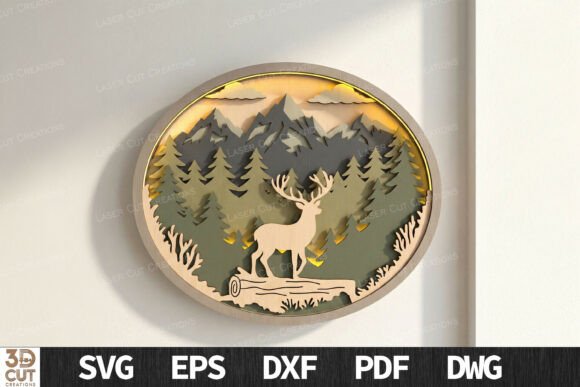
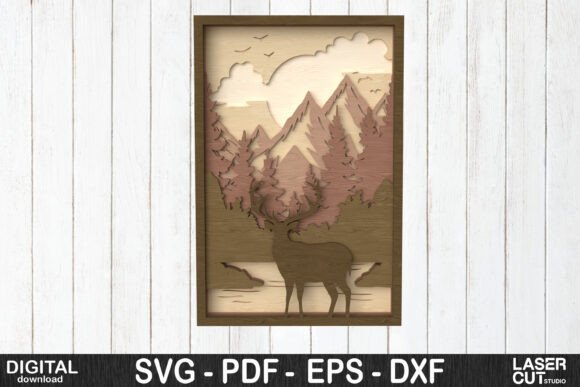
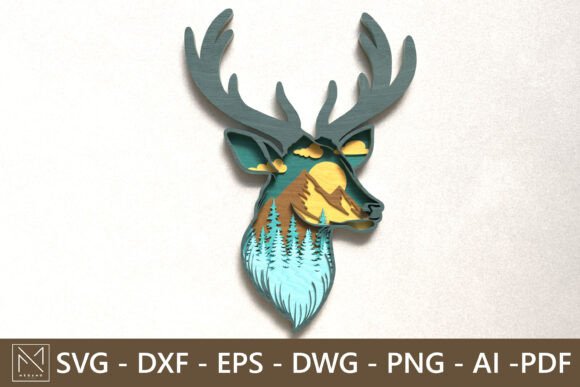
The core strength of this design lies in its layered composition. Unlike flat, single-plane cuts that rely solely on engraving for detail, this file utilizes depth to create a three-dimensional effect. The silhouette of the deer head serves as the central anchor, but it is the background elements that provide context and atmosphere. The inclusion of pine trees, mountain ranges, and a rising sun transforms a standard animal portrait into a cohesive wilderness scene.
This approach to design is particularly effective for wall art because it interacts with light and shadow. When assembled, the varying depths of the layers catch ambient light differently, adding visual interest that changes throughout the day. The "rising sun" element, typically positioned at the top or center-back, offers an opportunity for creative material choices. While the rest of the piece may utilize standard hardwoods or plywood, this specific layer can be cut from translucent acrylic or lighter-toned wood to simulate the glow of dawn, demonstrating the design’s flexibility.
The aesthetic is clean and modern, avoiding overly intricate details that can become lost in smaller scales or difficult to weed during post-processing. This balance between detail and simplicity ensures that the final product looks professional rather than cluttered, a crucial consideration for those selling handmade goods in competitive markets.
Technical Specifications and Material Optimization
From a technical standpoint, the file is optimized for 3mm wood material, which is the industry standard for many hobbyist and semi-professional laser cutters. This specification is significant because it aligns with the most commonly stocked materials in supply chains, reducing procurement friction for makers. However, the description notes that the file is freely scalable, a feature that warrants closer inspection regarding its practical implications.
Scalability in vector files such as SVG, DXF, AI, PDF, and EPS is inherent, but successful scaling requires an understanding of kerf and material thickness. If a user scales the design up significantly, they may need to adjust the thickness of the spacers or the depth of the layers to maintain proportional aesthetics. Conversely, scaling down too far might result in fragile connections between the fine details of the pine trees and the main frame. The fact that the design features no interlocking parts simplifies the assembly process but places the burden of structural integrity on the adhesive method and the backing board.
The absence of interlocking tabs is a deliberate design choice that enhances versatility. Interlocking mechanisms often require precise tolerance settings specific to a particular machine’s laser beam width. By removing this dependency, the Layered Deer Head Laser Cut File becomes more reliable across different machines, from diode lasers to CO2 industrial units. Users do not need to spend hours tweaking test cuts to ensure pieces fit together snugly; instead, they can focus on clean cuts and smooth assembly.
Workflow Efficiency and Usability
For professionals and small business owners, time is a critical resource. The usability of a digital file extends beyond its visual appeal to how easily it integrates into a existing workflow. This file supports multiple formats, ensuring compatibility with a wide range of software ecosystems. Whether a creator uses Adobe Illustrator, CorelDRAW, Inkscape, or proprietary laser software like LightBurn or RDWorks, the availability of AI, EPS, DXF, and SVG formats eliminates the need for cumbersome file conversions that can sometimes corrupt vector paths.
The "no interlocking parts" characteristic also streamlines the post-cutting phase. Without complex joinery to assemble, the construction process becomes a straightforward layering exercise. This reduces the skill barrier for entry, making it accessible to beginners while still allowing experienced crafters to achieve high-end results through superior finishing techniques such as sanding, staining, or painting. For educators teaching digital fabrication, this design offers a manageable project that teaches layering concepts without the frustration of mechanical fit issues.
Target Audience and Practical Applications
Who benefits most from this specific design? The primary audience includes DIY enthusiasts looking for personalized home décor, but the commercial potential is equally strong. Small business owners specializing in rustic or cabin-style interiors will find this design aligns perfectly with current market trends. The nature theme appeals to a broad demographic, including hunters, outdoor enthusiasts, and individuals who appreciate minimalist organic aesthetics.
- Home Décor: The piece functions effectively as a focal point in living rooms, entryways, or offices. Its neutral subject matter allows it to blend with various interior design styles, from farmhouse to modern industrial.
- Gift Market: Handmade gifts carry a perceived value that mass-produced items lack. This design, when executed with quality materials, serves as a thoughtful gift for housewarmings, weddings, or holidays.
- Corporate Branding: For businesses in the outdoor recreation sector, such as guide services or gear retailers, this design can be customized with logos or text integrated into the negative space, serving as branded office art or promotional items.
Freelancers and marketers can also leverage this asset by creating content around the making process. Time-lapse videos of the layering assembly perform well on social media platforms, driving engagement and potential sales for both the physical item and the digital file itself.
Quality Considerations and Limitations
While the design offers numerous advantages, objective evaluation requires acknowledging its limitations. The reliance on layering means that the final thickness of the artwork will be greater than a standard flat cut. This must be considered when selecting framing options or mounting hardware. Standard picture frames may not accommodate the depth, requiring custom shadow boxes or stand-off mounts.
Additionally, the quality of the final output is heavily dependent on the user’s machine calibration and material selection. Poor-quality plywood with voids in the inner layers can detract significantly from the visual appeal, especially in the open spaces between the pine trees. Users are advised to select high-grade Baltic birch or similar void-free materials for the best results. Furthermore, because the design is scalable, users must exercise judgment. Scaling a design intended for 3mm material to a massive wall installation may require reinforcing the backer board to prevent warping over time.
The lack of interlocking parts, while beneficial for ease of use, means that alignment during assembly is entirely manual. Creators must employ jigs or careful measurement techniques to ensure the layers are centered and straight. Misalignment can disrupt the visual harmony of the mountains and sun, undermining the professional look of the piece.
Long-Term Value and Versatility
The long-term value of purchasing a Layered Deer Head Laser Cut File lies in its reusability and adaptability. Once acquired, the file can be used repeatedly to produce inventory, test new material combinations, or refine assembly techniques. The vector nature of the files allows for minor modifications, such as adjusting the size of the sun or removing specific tree elements, provided the user has basic vector editing skills.
For educators and workshop leaders, this design serves as a robust teaching tool. It demonstrates principles of depth, composition, and material efficiency without overwhelming students with excessive complexity. The consistent results achievable with this file make it a reliable staple in a creator’s library, reducing the risk associated with trying unproven designs.
In conclusion, this layered deer head design represents a balanced intersection of form and function. It avoids the pitfalls of overly complex assemblies while delivering a visually striking result that resonates with contemporary tastes. For makers seeking a reliable, scalable, and aesthetically pleasing project, this file offers a solid foundation for creative expression and commercial endeavor. Its success ultimately depends on the maker’s attention to material quality and assembly precision, but the design itself provides a clear, optimized path to a professional finish.