Understanding 3D Layered Modern Wall Art Laser Cut: A Guide to Digital Design and Fabrication
The intersection of digital design and physical craftsmanship has opened new avenues for home decor enthusiasts and professional makers alike. Among the most visually striking trends in this space is 3D layered modern wall art laser cut. This technique involves stacking multiple sheets of material, typically wood or acrylic, to create a sense of depth and dimension that flat prints or single-layer cuts cannot achieve. For those exploring DIY projects or looking to expand their product offerings, understanding the nuances of these designs is essential for achieving high-quality results.
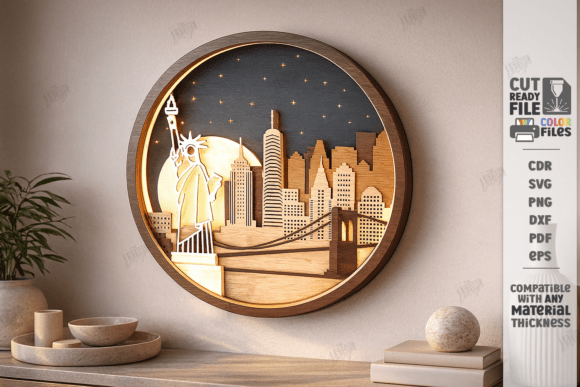
Unlike traditional two-dimensional wall hangings, 3D layered art relies on the strategic placement of shadows and varying elevations to mimic landscapes, abstract patterns, or geometric forms. The process begins with a digital file, often distributed as a multi-layer vector template. These templates are designed specifically for computer numerical control (CNC) machines, including CO2 lasers, diode lasers, and router tables. By separating the design into distinct layers, creators can assemble a piece that appears to float off the wall, offering a sophisticated aesthetic suitable for modern interior design.
The Mechanics of Multi-Layer Shadow Box Designs
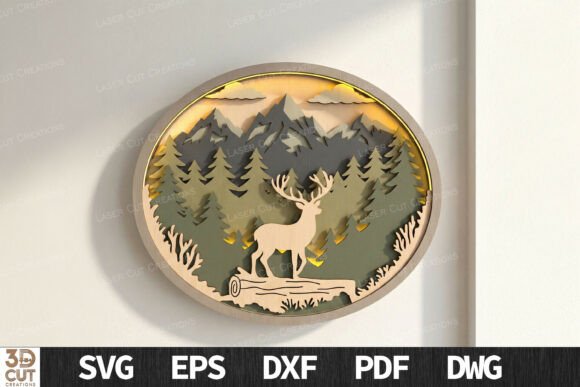
To appreciate the value of 3D layered wall art laser cut circular nature landscape SVG files, one must understand how they function technically. These designs are not merely images; they are engineering blueprints for assembly. Each layer represents a specific depth in the final composition. For instance, in a scenic mountain landscape, the foreground trees might be the top layer, while the distant peaks form the base. When stacked with spacers or adhesive, the gaps between layers catch light and cast shadows, enhancing the three-dimensional effect.
The precision required for this type of project is significant. This is where the quality of the digital file becomes paramount. High-quality templates, such as those provided in comprehensive zip archives, include multiple file formats to ensure compatibility with various software ecosystems. A typical package might contain SVG, EPS, PNG, PDF, and DXF files. Each format serves a specific purpose. SVG and EPS are vector-based, allowing for infinite scaling without loss of quality, which is crucial for adjusting the size of the art to fit different wall spaces. DXF files are often preferred by users of industrial-grade software like Lightburn, as they maintain dimensional accuracy better than SVGs in certain environments.
It is important to note that software compatibility can impact the final output. For example, Lightburn, a popular software for laser control, may sometimes distort dimensions when importing SVG files. Experienced users often recommend using the DXF format in such cases to preserve the exact measurements intended by the designer. This attention to technical detail ensures that the pieces fit together seamlessly during assembly, avoiding gaps or misalignments that could detract from the visual appeal.
Comparing 3D Layered Art to Traditional Decor Options
When evaluating home decor options, consumers and creators often weigh 3D layered modern wall art laser cut against other forms of wall decoration. Traditional framed prints, canvas paintings, and metal wall sculptures each have their place, but layered laser-cut art offers unique advantages and tradeoffs.
- Depth and Texture: Unlike flat prints, layered art provides tangible texture. The physical presence of the wood or acrylic adds warmth and organic feel to a room, which is particularly effective in modern farmhouse or minimalist interiors.
- Customization Potential: Digital downloads allow for significant customization. Users can choose different wood stains, paint colors for individual layers, or even mix materials. This level of personalization is difficult to achieve with mass-produced decor.
- Production Time: While the cutting process is automated, the assembly of multi-layer pieces can be time-consuming. Gluing, aligning, and finishing each layer requires patience and precision. In contrast, hanging a pre-made canvas is instantaneous.
- Cost Efficiency: For DIYers, purchasing a digital file and sourcing raw materials can be more cost-effective than buying finished artisan pieces. However, it requires an initial investment in machinery and learning the necessary skills.
For those who do not own laser cutting equipment, these designs also serve as a bridge to local fabrication services. Many makers offer cutting services for a fee, allowing individuals to access circular 3D layered vector templates for laser cutting without purchasing expensive hardware. This hybrid approach democratizes access to high-end custom decor.
Material Considerations and Finish Quality
The choice of material significantly influences the outcome of a DIY scenic wall hanging project. Wood is the most common medium due to its natural grain and ease of cutting. Birch plywood is a favorite among laser enthusiasts because it cuts cleanly and offers a consistent surface for staining or painting. However, other materials like MDF, acrylic, or even cardboard can be used depending on the desired aesthetic and budget.
When working with wood, edge burning is a common concern. Laser cutting chars the edges of the material, which can be desirable for a rustic look but may need sanding for a polished finish. Understanding the settings of your machine is critical. Most digital providers include instructions indicating which lines to cut and which to engrave. Typically, red lines indicate cut paths, while black lines denote engraving areas. Adhering to these color codes ensures that the machine performs the correct action on each part of the design.
Finishing techniques also vary. Some creators prefer to stain each layer before assembly to highlight the wood grain, while others paint layers in contrasting colors to emphasize the separation between elements. For nature-themed landscapes, earthy tones and greens enhance the realism, whereas abstract designs might benefit from bold, monochromatic schemes. The flexibility of modern home interior art circular 3D layered designs allows for endless creative experimentation.
Evaluating File Formats and Software Compatibility
A critical aspect of successfully executing a laser cut and 3D layered wall art project is selecting the right file format for your workflow. While SVG is widely supported, it is not universally perfect. As noted earlier, software-specific issues can arise. For users of Glowforge, SVG files generally work well, but for those using Lightburn or RDWorks, DXF files often provide more reliable dimensional integrity.
Additionally, the inclusion of PNG and PDF files in digital packages serves auxiliary purposes. PNG files can be used for previewing the design or for sublimation printing if combining laser cutting with other techniques. PDFs are useful for manual reference or for users who may want to trace elements for hand-finishing touches. Having access to multiple formats ensures that regardless of the software ecosystem a creator operates within, they can proceed without technical hurdles.
It is advisable for buyers to verify their machine’s compatibility before purchasing. If a specific file type is needed that is not included in the standard archive, many designers are willing to accommodate requests. Communicating with the seller can prevent frustration and ensure that the digital product aligns with the user’s technical setup.
Is 3D Layered Laser Art the Right Choice for You?
Deciding whether to pursue 3D layered modern wall art laser cut projects depends on several factors, including skill level, available tools, and design preferences. This medium is ideal for individuals who enjoy hands-on crafting and have access to laser cutting technology or local fabrication services. It appeals to those who value unique, customizable decor and are willing to invest time in assembly and finishing.
However, it may not be the best option for everyone. Those seeking quick, low-effort decor solutions might find the assembly process daunting. Similarly, individuals without access to precise cutting tools may face challenges in achieving the clean edges necessary for a professional look. In such cases, pre-made wall art or simpler DIY projects might be more appropriate.
Ultimately, circular nature landscape SVG multi layer shadow box designs represent a blend of technology and artistry. They offer a rewarding creative outlet for makers and a distinctive decorative element for homes. By understanding the technical requirements, material options, and design possibilities, enthusiasts can make informed decisions that lead to satisfying and beautiful results. Whether for personal enjoyment or commercial venture, mastering the nuances of layered laser art opens up a world of creative potential.