Kitchen Retro Wall Decors Bundle Laser: A Practical Guide to Digital Design Files
The charm of mid-century modern aesthetics and vintage diner culture has made a significant comeback in interior design. For creators, hobbyists, and small business owners, capturing this nostalgia requires precision and the right tools. This is where the Kitchen Retro Wall Decors Bundle Laser becomes an invaluable resource. However, because this is a digital product, many buyers misunderstand what they are purchasing, leading to frustration before they even begin their project. Understanding the nature of digital assets is the first step toward creating stunning, original designs for your home or office.
Understanding the Digital Nature of the Product
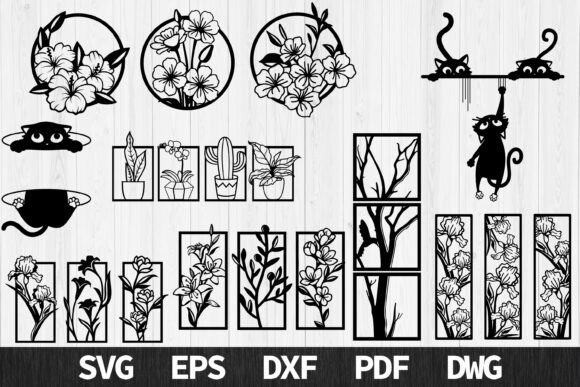
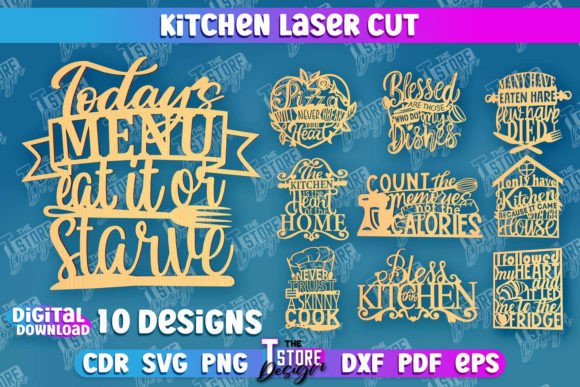
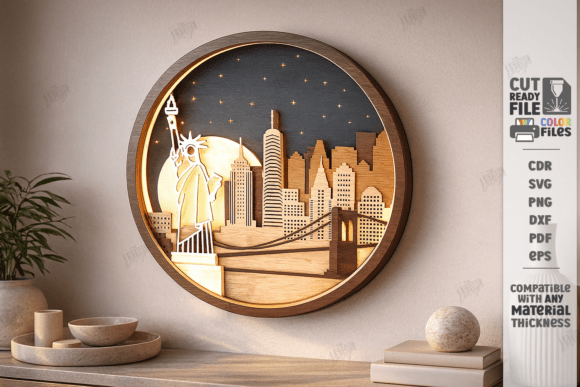
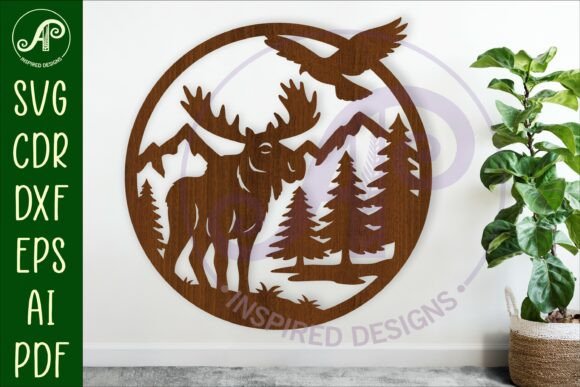
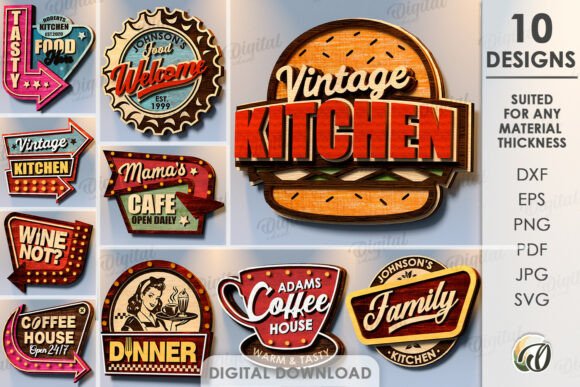
The most critical detail to grasp immediately is that you are buying a set of files, not a physical object. When you purchase the Kitchen Retro Wall Decors Bundle Laser Cut collection, no physical goods will be sent to your address. The photos displayed in the store listing are strictly for inspiration, showcasing what is possible when these designs are properly executed with the right materials and machinery.
Upon completion of your purchase, you will receive a zip folder containing ten distinct designs. These files come in multiple formats, including SVG, DXF, EPS, PDF, JPEG, and PNG. This variety ensures compatibility with a wide range of software and cutting machines, from consumer-grade Cricut devices to industrial laser cutters. Recognizing this distinction prevents the common disappointment of expecting a ready-to-hang metal or wood sign in the mail. Instead, you are acquiring the blueprint to create that sign yourself, offering endless possibilities for customization.
Common Mistakes in File Selection and Compatibility
One of the most frequent errors beginners make is ignoring file format requirements. Many assume that any image file will work for laser cutting or vinyl plotting. This is incorrect. Raster images like JPEGs and PNGs are pixel-based, meaning they can lose quality when scaled up and often require complex vectorization before a machine can cut them cleanly. In contrast, vector files like SVG, DXF, and EPS use mathematical paths, ensuring crisp lines at any size.
The Mistake: Attempting to cut directly from a low-resolution JPEG found in the bundle without converting it first. This often results in jagged edges, broken lines, and wasted material.
The Better Approach: Always prioritize the SVG or DXF files for cutting projects. Use the PDF for printing references or the PNG for digital mockups and sublimation projects. Before starting your machine, open the vector file in your preferred design software to verify that all nodes are connected and paths are closed. This simple check saves time, material, and frustration.
Overlooking Material Constraints and Design Complexity
Another overlooked detail is the relationship between the design complexity and the chosen material. The Kitchen Retro Wall Decors Bundle Laser features intricate details typical of retro typography and iconography. While these look beautiful on screen, they may pose challenges if cut from fragile materials like thin acrylic or soft woods without proper settings.
For instance, small serifs on vintage fonts or delicate curves in kitchen utensil illustrations can break off if the material is too brittle or if the laser power is too high. Entrepreneurs looking to sell these items must test their materials thoroughly. A design that looks perfect on pine might fail miserably on MDF if the kerf (the width of the cut) is not accounted for.
To avoid this, start with a test cut on a scrap piece of your intended material. Adjust your speed and power settings accordingly. If you are using a vinyl cutter, ensure that the weeding process is feasible for the smallest elements in the design. Sometimes, simplifying the design slightly or scaling it up can make a significant difference in the final durability and appearance of the decor.
Misjudging the Scope of Commercial Use
Many freelancers and small business owners purchase digital bundles with the intention of selling the finished physical products. This is a great way to monetize creativity, but it requires careful attention to licensing terms. While the Kitchen Retro Wall Decors Bundle Laser Cut allows for the creation of original designs, it does not typically grant rights to resell the digital files themselves.
The Warning: Never share, redistribute, or sell the SVG or DXF files included in the zip folder. This violates intellectual property rights and undermines the creator’s work.
The Correct Path: Use the files to create physical end-products such as wall art, kitchen signs, or decorative panels. You can sell these physical items, provided you have added value through your craftsmanship, material selection, and finishing techniques. Always read the specific license agreement included in your download folder to ensure compliance. If you have questions about extended commercial licenses, message the store owner directly before making large-scale plans.
Ignoring the Importance of Scaling and Proportion
Retro designs often rely on specific proportions to maintain their aesthetic appeal. A common mistake is resizing designs arbitrarily without considering the visual balance. Stretching a vector file disproportionately can distort typography and icons, ruining the vintage vibe you are trying to achieve.
When using the Kitchen Retro Wall Decors Bundle Laser, always maintain the aspect ratio when resizing. Most design software allows you to lock the dimensions, ensuring that the width and height scale equally. Additionally, consider the final viewing distance. A design intended for a large living room wall may need to be larger than one meant for a cozy kitchen nook. Print a paper template at 100% scale and tape it to your intended wall space to visualize the impact before committing to expensive materials.
Preparation Checklist Before You Begin
To ensure a smooth workflow and high-quality results, follow this practical checklist before you start your project:
- Verify File Integrity: Download the zip folder and extract all contents. Open each SVG and DXF file to ensure they load correctly in your software.
- Check Machine Compatibility: Confirm that your laser cutter or plotter supports the file formats provided. Most modern machines handle SVG and DXF seamlessly.
- Select Appropriate Materials: Choose materials that complement the retro style, such as warm-toned woods, brushed metals, or matte-finish acrylics.
- Test Cut: Perform a small test cut to dial in your machine settings. Pay attention to edge quality and whether small details hold together.
- Plan Your Finish: Decide on painting, staining, or sealing methods beforehand. Some finishes can warp thin materials or clog intricate cutouts if applied too heavily.
By approaching the Kitchen Retro Wall Decors Bundle Laser with a clear understanding of its digital nature and technical requirements, you can avoid common pitfalls and produce professional-quality decor. Whether you are a beginner looking to personalize your home or an entrepreneur building a product line, these files offer a solid foundation for creativity. Remember, the possibilities of creation are endless, but success lies in the details of preparation and execution.
If you encounter any issues with downloading or opening the files, do not hesitate to reach out. Sending a message to the store owner can resolve technical questions quickly, ensuring you get the most out of your purchase. Happy shopping and happy creating.