Laser Cut Monstera Wall Art SVG Design: Integrating Botanical Precision into Modern Decor Workflows
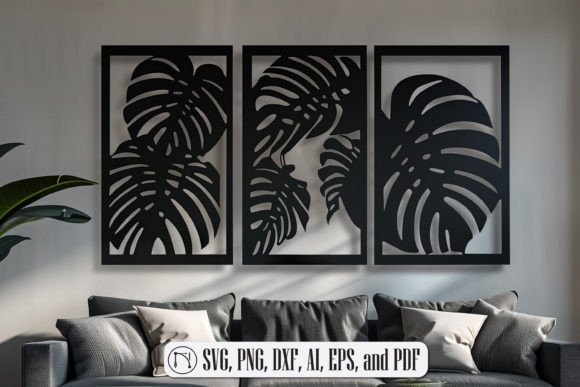
Bringing a touch of tropical chic to your walls requires more than just selecting a pretty image; it demands a design that translates seamlessly from digital concept to physical reality. The Laser Cut Monstera Wall Art SVG Design serves as a critical asset in this transformation. Featuring the iconic Monstera deliciosa leaf, this design is not merely a decorative element but a functional blueprint for creating bold, eye-catching statement pieces. For interior designers, makers, and small business owners, understanding how to integrate this specific file type into a broader production workflow is essential for achieving consistent, high-quality results.
The value of this design lies in its versatility and technical readiness. By providing the file in multiple formats—including SVG, PNG, DXF, AI, EPS, and PDF—it accommodates a wide range of cutting machines and software ecosystems. This compatibility ensures that whether you are using a desktop hobbyist cutter or an industrial laser system, the botanical accuracy and intricate details remain intact. The result is a unique and elegant wall art piece that adds modern sophistication to any room, appealing to plant lovers and design enthusiasts alike.
Understanding the Asset in Your Production Pipeline
Before initiating any cutting process, it is vital to understand where the Laser Cut Monstera Wall Art SVG Design fits within your project lifecycle. It acts as the bridge between creative intent and mechanical execution. In a typical workflow, this asset is selected during the planning phase, where aesthetic goals are aligned with material constraints. The design’s structure—characterized by its complex vein patterns and organic curves—requires careful consideration of material thickness and kerf width (the width of the cut made by the laser).
For professionals managing multiple projects, organizing these digital assets is crucial. Storing the various file formats in a structured directory allows for quick retrieval based on the specific machine being used. For instance, DXF files are often preferred for CNC routing and industrial laser cutters due to their precise vector data, while SVG files are ideal for consumer-grade cutting machines like Cricut or Silhouette. Having access to AI and EPS formats provides flexibility for further customization in Adobe Illustrator or CorelDRAW, allowing designers to scale the Monstera leaf without losing resolution or adjust node points for optimal cutting paths.
Preparation and Compatibility Checks
Successful implementation begins with thorough preparation. When working with a Laser Cut Monstera Wall Art SVG Design, the first step is verifying file integrity. Open the SVG or DXF file in your preferred design software to inspect the vector paths. Ensure that all lines are closed shapes if you intend to cut out individual pieces, or that strokes are properly defined if you are engraving details. Intricate designs like the Monstera leaf can sometimes contain overlapping paths or unnecessary nodes that may confuse cutting software, leading to errors or prolonged cutting times.
Compatibility extends beyond file formats to include software settings. Different laser controllers interpret vector data differently. Before committing to a final cut, perform a test run on a scrap piece of your chosen material. This step helps determine the optimal power and speed settings. For wood or acrylic, the goal is a clean cut through the material without excessive charring or melting. The detailed nature of the Monstera leaves means that smaller interior cuts (such as the holes in the leaf) require precise focus and appropriate assist gas settings to prevent debris from obstructing the beam.
Material Selection and Design Adaptation
The choice of material significantly impacts the final appearance of your Laser Cut Monstera Wall Art SVG Design. While the design is versatile, certain materials highlight its features better than others. Plywood offers a warm, natural aesthetic that complements the botanical theme, while acrylic provides a sleek, modern look with potential for layered color effects. When using thicker materials, consider whether the design needs to be scaled up slightly to maintain structural integrity. Thin bridges of material between the leaf’s veins can break easily if the material is too brittle or the cuts are too aggressive.
For those looking to add depth, layering is an effective technique. You can use the same Laser Cut Monstera Wall Art SVG Design to cut multiple layers of different colored materials. By offsetting these layers slightly or stacking them directly, you create a three-dimensional effect that enhances the visual impact. This approach requires careful planning regarding alignment pins or registration marks to ensure each layer sits perfectly atop the previous one. The availability of the design in PDF and PNG formats also allows for easy printing of templates or reference guides during the assembly phase.
Workflow Integration for Businesses and Creators
For small business owners and entrepreneurs, efficiency is key. Integrating the Laser Cut Monstera Wall Art SVG Design into a standardized production workflow can reduce turnaround time and minimize waste. Establish a checklist that includes file verification, material inspection, machine calibration, and post-processing steps. By treating each order as part of a repeatable process, you ensure consistency across multiple units. This is particularly important when fulfilling bulk orders for interior designers or retail clients who expect uniform quality.
Moreover, this design can serve as a foundation for product diversification. Beyond wall art, the Monstera motif can be adapted for other products such as coasters, lampshades, or room dividers. The scalable nature of vector files means you can resize the design to fit various applications without compromising quality. This flexibility allows creators to maximize the value of a single asset, expanding their product line with minimal additional design effort. Marketing these items as "botanically accurate" and "precision-cut" appeals to consumers who value craftsmanship and attention to detail.
Quality Control and Finishing Techniques
Post-processing is an often-overlooked aspect of laser cutting that significantly affects the final product. After cutting the Laser Cut Monstera Wall Art SVG Design, remove any slag or residue from the edges. For wood, light sanding can smooth rough edges and prepare the surface for staining or sealing. For acrylic, flame polishing or chemical smoothing can restore clarity to the cut edges. These finishing steps elevate the perceived quality of the piece, transforming it from a simple cutout into a refined decor item.
Quality control should also involve a visual inspection of the intricate details. Check that all small internal cuts have been fully severed and that no parts are loosely attached. The botanical accuracy of the Monstera leaf relies on the clarity of these details; any missed cuts or burn marks can detract from the overall aesthetic. Implementing a final review stage before packaging ensures that only flawless pieces reach the customer, reinforcing your brand’s reputation for excellence.
Long-Term Use and Asset Management
Investing in a high-quality Laser Cut Monstera Wall Art SVG Design is a long-term strategy for content and product creation. Unlike trend-based graphics, botanical motifs have enduring appeal. By maintaining an organized library of such assets, you build a resource bank that can be tapped into for future projects. Regularly update your files to ensure they remain compatible with the latest software versions and machine firmware. Additionally, consider documenting your successful cutting parameters for different materials alongside the design file. This metadata saves time in future runs and helps train new team members on best practices.
In conclusion, the Laser Cut Monstera Wall Art SVG Design is more than just a digital file; it is a versatile tool that supports a wide range of creative and commercial objectives. By understanding its technical requirements, integrating it into a structured workflow, and applying rigorous quality control, you can produce stunning wall art that resonates with modern audiences. Whether you are an interior designer seeking unique statement pieces or a maker looking to expand your product offerings, this design provides the precision and elegance needed to succeed in today’s competitive market.