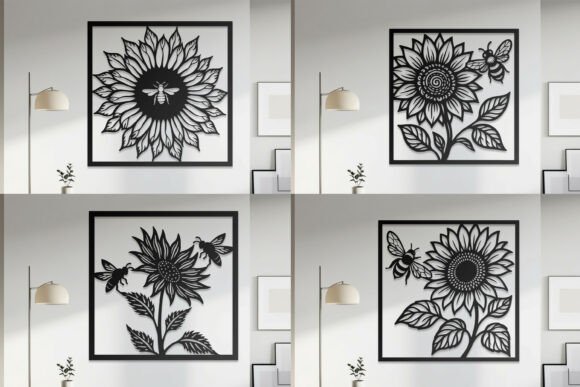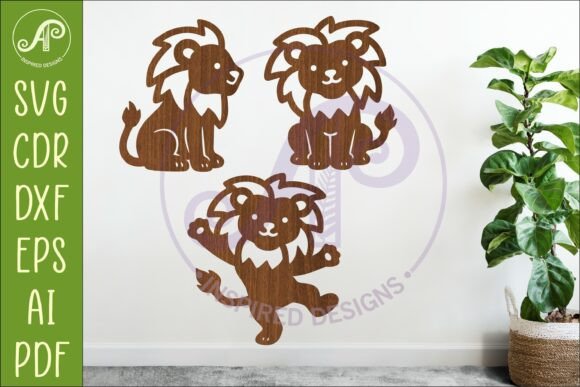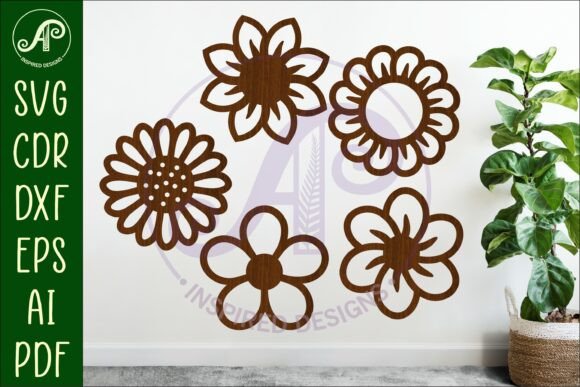
Poppy Flower Laser Cut SVG Guide
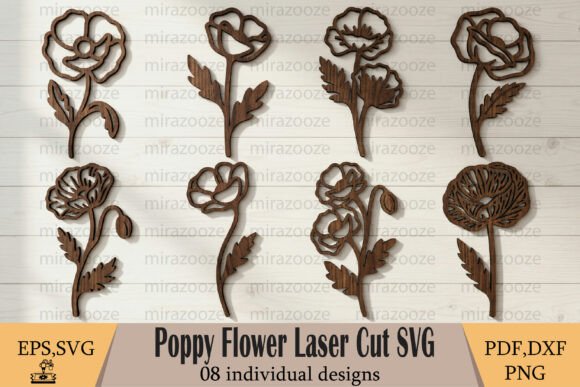
Botanical wall decor has become a cornerstone of modern interior design, bridging the gap between organic warmth and structured minimalism. At the heart of this trend is the Poppy Flower Laser Cut SVG, a digital asset that transforms raw materials into elegant, eye-catching art. This collection features approximately eight individual floral stem designs, each meticulously crafted to showcase delicate petal shapes and flowing stem details. For anyone interested in creating wooden wall art or garden-inspired interiors, understanding how to leverage these vector files can significantly elevate the quality and efficiency of your projects.
The appeal of poppy flowers lies in their symbolic resonance and visual versatility. They represent remembrance, peace, and natural beauty, making them suitable for a wide range of spaces, from serene bedrooms to vibrant living rooms. However, the true value of a Poppy Flower Laser Cut SVG extends beyond aesthetics. It is about precision, scalability, and the ability to reproduce complex organic shapes with mechanical accuracy. Whether you are using a desktop cutter like a Cricut or Silhouette Cameo, or a powerful CO2 laser such as a Glowforge, xTool, or OMTech machine, these files are optimized to ensure clean cut paths and smooth engraving lines.
Why Designers and Hobbyists Choose Vector Formats
For beginners entering the world of digital fabrication, the variety of file formats can be overwhelming. This collection includes SVG, DXF, EPS, and PDF files, providing compatibility across nearly all major platforms. The SVG (Scalable Vector Graphics) format is particularly crucial because it allows for infinite resizing without any loss of quality. Unlike raster images (such as JPEGs or PNGs), which become pixelated when enlarged, vector files maintain crisp edges regardless of scale. This means you can create a small decorative accent for a bookshelf or a massive vertical arrangement for a hallway wall using the same source file.
Hobbyists often prioritize ease of use and immediate results. With pre-optimized cut paths, there is no need to spend hours tracing images or correcting nodes in design software. This reduces the barrier to entry, allowing creators to focus on material selection and finishing techniques rather than technical troubleshooting. For those using CNC routers, the DXF format ensures that toolpaths are generated accurately, preventing bit breakage and ensuring smooth edges on wood, acrylic, or MDF.
Tailoring Projects to Different Audiences
The utility of a Poppy Flower Laser Cut SVG varies significantly depending on the user’s goals and experience level. By examining how different groups approach these designs, we can better understand their practical applications.
For DIY Home Decor Creators
If you are decorating your own space, your primary concern is likely aesthetic integration and personalization. These poppy designs allow for extensive customization. You might choose natural wood finishes like walnut or oak to achieve a rustic, earthy look that complements farmhouse or bohemian interiors. Alternatively, painting the cutouts in bold colors can create a modern, pop-art statement piece. The flexibility of the design means you can arrange the eight stems in various configurations—clustered tightly for a lush bouquet effect or spaced widely for a minimalist, airy feel. This adaptability makes the SVG collection a valuable tool for experimenting with layout before committing to final cuts.
For Craft Sellers and Small Business Owners
Entrepreneurs selling handmade goods on platforms like Etsy or at local markets face different pressures, including production speed, consistency, and commercial viability. For this audience, the reliability of the Poppy Flower Laser Cut SVG is paramount. Optimized cut paths mean less machine time and reduced material waste, directly impacting profit margins. Furthermore, the ability to produce identical copies ensures brand consistency. Sellers can offer these pieces as standalone wall art or combine them with other botanical elements to create layered compositions. The inclusion of multiple file formats also allows businesses to cater to customers who may have different equipment, expanding the potential market for digital downloads alongside physical products.
For Educators and Workshop Leaders
Educators teaching digital fabrication, art, or design classes benefit from resources that are both technically sound and visually engaging. Poppy flowers provide an excellent case study for discussing organic shapes versus geometric precision. Instructors can use these files to teach students about node editing, layer management, and material constraints. Because the designs are scalable, they can be adapted for various class projects, from small paper crafts to larger wooden assemblies. This educational value helps students understand the broader principles of vector design while producing tangible, beautiful results.
Material Considerations and Finishing Techniques
The final appearance of your poppy flower art depends heavily on the material you choose and how you finish it. Wood remains the most popular choice for laser-cut botanical decor due to its natural grain and warmth. Lighter woods like birch plywood take paint well, allowing for vibrant, solid colors that highlight the intricate petal details. Darker woods like cherry or mahogany offer a sophisticated, rich backdrop that emphasizes the silhouette of the flowers. For a more contemporary look, acrylics in translucent or opaque colors can create stunning light-and-shadow effects when mounted on walls.
When working with these materials, it is essential to consider the thickness relative to the design’s complexity. Thinner materials (3mm or 1/8 inch) are ideal for detailed layers and delicate stems, while thicker boards provide structural integrity for larger installations. Always test cut a single stem first to adjust power and speed settings, ensuring that the delicate petal shapes do not burn or char excessively. Post-processing, such as sanding edges and applying sealants, enhances durability and visual appeal, making the piece suitable for long-term display in living rooms, bedrooms, or craft studios.
Maximizing Versatility in Design Layouts
One of the strongest advantages of this collection is its modularity. The eight individual stems can be used independently or combined to create complex scenes. For vertical arrangements, staggering the heights of the stems creates a sense of movement and growth, mimicking a natural garden bed. Horizontal layouts work well above sofas or beds, providing a balanced, calming focal point. Additionally, these poppies can be integrated with other botanical SVGs, such as leaves, grasses, or other flowers, to build a custom ecosystem on your wall.
For those interested in layered wall compositions, consider cutting the petals and centers from different materials or colors. This adds depth and dimension, transforming a flat cutout into a quasi-3D sculpture. Lighting also plays a crucial role; installing subtle uplighting behind the artwork can cast dramatic shadows, enhancing the intricate details of the laser cuts. This technique is particularly effective in hallways or entryways where ambient light may be limited.
Assessing Fit for Your Project Goals
Before downloading or purchasing a Poppy Flower Laser Cut SVG, consider your specific project requirements. If you are a beginner, look for designs with fewer anchor points and simpler curves to ensure smoother cutting on entry-level machines. Experienced users might seek out files with high node density for ultra-realistic detailing. Assess your machine’s capabilities regarding bed size and material thickness to determine the optimal scale for your design. Remember that while vector files are scalable, extremely small details may not cut cleanly on thicker materials or with larger laser spots.
Ultimately, the decision to use these designs should align with your creative vision and technical constraints. Whether you are aiming for a quick weekend project or launching a new product line, the quality and flexibility of the source file will dictate your success. By choosing optimized, versatile vectors, you invest in a resource that supports both immediate creativity and long-term utility. The Poppy Flower Laser Cut SVG collection offers a blend of elegance and practicality, making it a worthwhile addition to any digital library for laser cutting and CNC enthusiasts.
In conclusion, integrating these floral designs into your workflow opens up numerous possibilities for expression and commerce. From the hobbyist seeking a personalized home accent to the professional manufacturer requiring consistent, high-quality outputs, these files serve as a foundational tool. By understanding the nuances of file formats, material interactions, and design composition, you can fully unlock the potential of botanical laser cut art, creating pieces that are not only visually striking but also technically proficient.