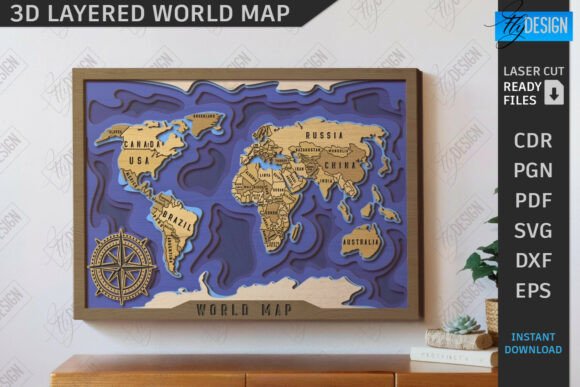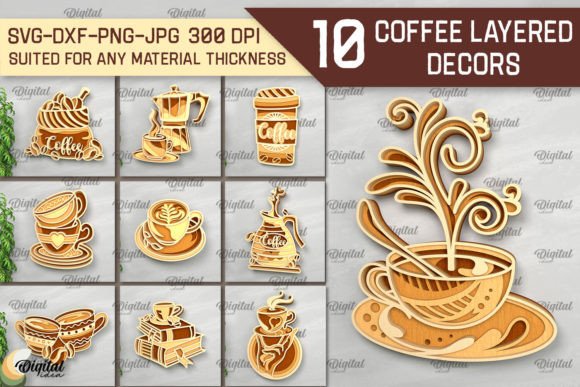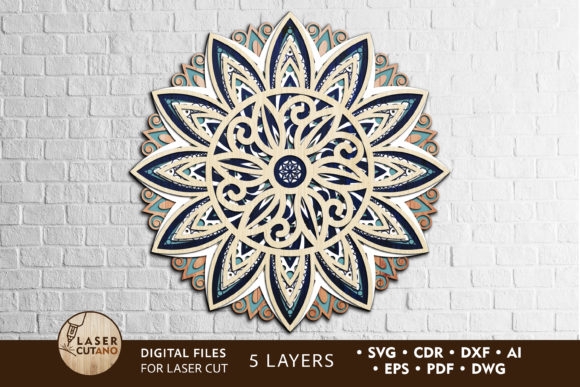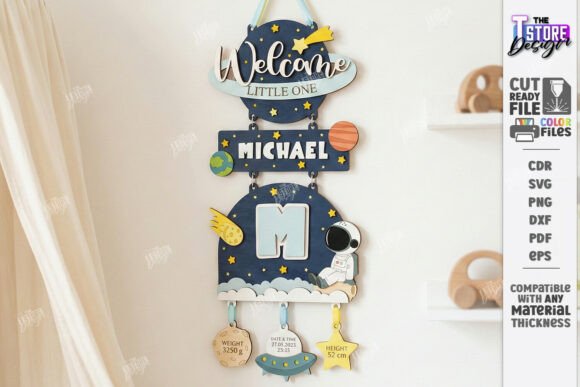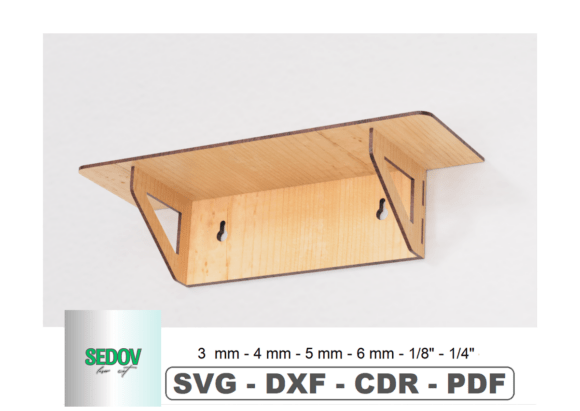
Transform Your Interior with a Custom Laser Cut Wall Floating Shelf
Finding the perfect balance between functional storage and aesthetic appeal is one of the most common challenges in home design. Whether you are dealing with a cramped apartment, a cluttered workshop, or a nursery that needs a touch of whimsy, wall space is often underutilized. This is where a Laser Cut Wall Floating Shelf becomes an invaluable solution. Unlike traditional shelving units that can look bulky or require complex installation hardware, these modern designs offer a sleek, minimalist profile that seems to defy gravity. By leveraging precision-cut templates, homeowners and DIY enthusiasts can create professional-grade Wall Decor that is tailored specifically to their space, material preferences, and style.
The concept behind a laser cut floating shelf is rooted in simplicity and engineering efficiency. These shelves typically utilize interlocking joints or hidden bracket systems designed through vector software, allowing pieces of plywood or acrylic to slide together seamlessly. The result is a sturdy platform that requires no visible screws or brackets on the front face. For those looking to elevate your space, this versatile project serves as a gateway into the world of digital fabrication without requiring advanced woodworking skills. Whether you own a Glowforge, an xTool, or have access to a local makerspace, the availability of ready-to-use files makes this an accessible weekend project for beginners and experts alike.
Solving Common Storage and Design Dilemmas
Many adults face specific spatial constraints that off-the-shelf furniture simply cannot address. Standard shelves often come in limited sizes, generic finishes, or styles that clash with existing decor. Furthermore, installing heavy traditional shelves into drywall can be daunting for renters or those without extensive toolkits. A Laser Cut Wall Floating Shelf addresses these pain points directly. Because the design is derived from digital files, you have the freedom to scale the dimensions to fit awkward nooks, narrow hallways, or specific wall sections that standard products ignore.
Consider the challenge of organizing small items. In a garage or workshop, tools and supplies often accumulate on workbenches, reducing usable surface area. A series of laser cut shelves mounted on the wall can clear this clutter, keeping essentials within reach but off the main workspace. Similarly, in a living room, displaying a collection of small plants or curated knick-knacks requires a shelf that doesn't visually dominate the room. The clean lines of a Plywood Shelf created via laser cutting provide a neutral backdrop that highlights the objects placed upon them rather than competing for attention.
Another significant advantage is the speed of execution. Traditional woodworking projects involving joinery, sanding, and finishing can take days or weeks. In contrast, utilizing DXF Vector Files and laser cut templates reduces the active labor time to minutes of machine operation and a brief assembly period. This efficiency allows you to iterate quickly; if one shelf works well, you can easily produce three more to create a cohesive gallery wall arrangement.
Versatile Applications Across Different Rooms
The true power of this DIY project lies in its adaptability. A single design file can be repurposed for vastly different environments simply by changing the material or the finish. Here is how different users can approach the Laser Cut Wall Floating Shelf to meet their unique needs:
- The Nursery: Parents often need safe, secure places to display baby books, soft toys, or essential care items. Using light-colored birch plywood and rounding the edges (which can be done in the design phase or with light sanding), these shelves create a cozy, inviting atmosphere. The minimalist design ensures there are no sharp metal brackets protruding where a child might bump into them.
- The Living Room Plant Stand: For urban gardeners with limited floor space, vertical gardening is essential. A floating shelf designed with a slightly deeper profile can accommodate potted succulents or trailing vines. The natural grain of the wood complements the greenery, creating an organic focal point in the room.
- The Home Office or Workshop: Functionality takes precedence here. Users might opt for darker stains or painted finishes to hide wear and tear. These shelves can hold heavy reference books, 3D printer filaments, or small power tools. The structural integrity of interlocking laser-cut parts ensures they can handle significant weight when properly glued and mounted.
- Rental Friendly Solutions: Renters often hesitate to drill large holes for heavy shelving units. Because laser cut shelves can be made from lighter materials like 3mm or 4mm plywood, they exert less pull on wall anchors, making them safer for drywall installations where stud mounting isn't possible.
Technical Considerations and Material Selection
To achieve the best results with your Laser Cut Wall Floating Shelf, understanding material thickness and file compatibility is crucial. Most professional designs are engineered to accommodate specific sheet thicknesses to ensure tight, friction-fit joints before gluing. Common specifications include materials ranging from 3 mm to 6 mm, which corresponds to imperial measurements of roughly 1/8 inch to 1/4 inch.
When selecting your material, Baltic Birch plywood is often the gold standard for indoor decor due to its smooth layers and lack of voids, which ensures clean cuts and a beautiful edge grain. However, for garage or outdoor-adjacent applications, you might consider marine-grade plywood or even acrylic sheets if your laser cutter is equipped for it. Always verify the kerf (the width of the cut removed by the laser) of your specific machine. High-quality CDR, SVG, DXF, and PDF files usually account for standard kerfs, but minor adjustments in your software may be necessary to ensure the slots fit snugly.
Assembly is straightforward but requires attention to detail. The primary method involves applying wood glue to the interlocking tabs and pressing the pieces together. Clamping the shelf while the glue dries is recommended to ensure square corners and maximum bond strength. Once assembled, the shelf can be sanded lightly to remove any scorch marks from the cutting process and finished with oil, wax, or varnish to protect the wood and enhance its color.
Getting Started with Digital Files
For those ready to begin, the barrier to entry has never been lower. You do not need to be a CAD expert to create stunning furniture. Downloading pre-made laser cut templates allows you to skip the design phase and move straight to production. Look for files that specify the intended material thickness to avoid fitment issues. Popular formats like SVG and DXF are universally compatible with major laser cutting software, including LightBurn and the proprietary software used by Glowforge.
A typical project might involve a shelf sized around 300x100 mm (approximately 12.5 x 4 inches), which is ideal for small displays. However, many files allow for scaling. If you need a longer shelf for books, you can often duplicate the side support patterns in your vector software and extend the top and bottom panels accordingly. This modularity is a key benefit of digital manufacturing.
In conclusion, integrating a Laser Cut Wall Floating Shelf into your home is more than just a storage solution; it is an opportunity to engage with modern making techniques to solve real-world problems. Whether you are optimizing a small apartment, organizing a chaotic workshop, or simply adding a decorative element to a blank wall, these versatile designs offer a perfect blend of form and function. With the right files, a bit of plywood, and some wood glue, you can transform empty wall space into a showcase of your personal style and craftsmanship today.