Angry Fish Bone Laser Cut Wall Art: A Bold Statement for Modern Interiors
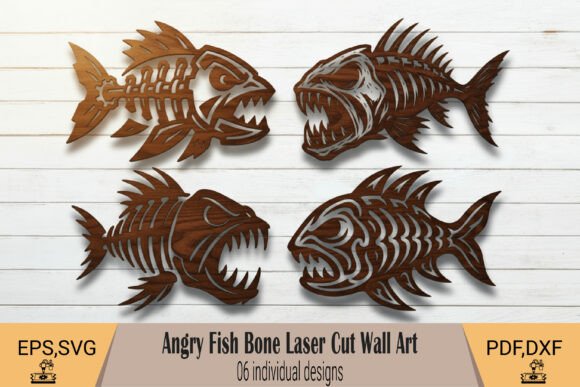
There is a distinct difference between generic beach house décor and pieces that command attention. Angry Fish Bone Laser Cut Wall Art falls firmly into the latter category. It isn’t just about depicting marine life; it is about capturing an attitude. This collection of six fierce, stylized fish skeletons offers a raw, edgy aesthetic that resonates with creators and homeowners who are tired of safe, predictable design choices. Whether you are a hobbyist looking to personalize your space or a small business owner seeking unique inventory, these designs provide a versatile foundation for high-impact visual storytelling.
The appeal of this art form lies in its duality. On one hand, it is rooted in the organic, timeless imagery of the ocean. On the other, it is executed through precise, modern digital fabrication. When you dive into this set, you aren't just downloading images; you are acquiring a toolkit for creating professional-grade wall décor. The designs are optimized for clean, smooth cutting on popular machines like Glowforge, xTool, Cricut, Silhouette, and CNC routers. This ensures that whether you are working with wood, MDF, acrylic, or even thin metal, the result is sharp, detailed, and ready to display.
Why the "Angry" Aesthetic Works in Contemporary Design
Traditional nautical themes often lean toward the soft and serene—think pastel seashells, gentle waves, and muted blues. While comforting, these motifs can sometimes feel impersonal or overly commercial. Angry Fish Bone Laser Cut Wall Art disrupts this norm by introducing tension and character. The "angry" descriptor refers to the aggressive angles, sharp lines, and dynamic posture of the skeletal structures. This stylization transforms a biological subject into a graphic element that feels alive and intense.
This approach aligns perfectly with current interior design trends that favor industrial, rustic, or maximalist styles. In a man-cave or a modern studio, these pieces serve as conversation starters. They reflect a personality that values boldness and authenticity. For marketers and bloggers, understanding this shift is crucial. Audiences today crave content and products that feel curated and specific rather than mass-produced. Using such distinctive imagery helps establish a brand identity that is memorable and distinct.
Real-World Applications for Creators and Homeowners
The versatility of these SVG, DXF, EPS, and PDF files means they can be adapted to a wide range of scenarios. Here is how different users can leverage this collection effectively:
- The DIY Homeowner: If you are renovating a beach house or adding character to a living room, these designs allow for custom sizing. You can scale the files to create large feature panels that span an entire wall, or keep them small for a gallery-style arrangement. Staining the wood dark creates a rustic, weathered look that complements reclaimed furniture, while painting them in bold hues like neon orange or electric blue adds a pop of modern energy.
- The Small Business Owner: For those running Etsy shops or local craft businesses, this collection offers immediate product potential. Because the paths are tested for precision, you can produce consistent, high-quality items without extensive trial and error. You might offer personalized versions by adding names or dates to the bones, creating unique gifts for fishing enthusiasts or ocean lovers.
- The Educator or Workshop Leader: Teaching laser cutting or digital fabrication? These files are excellent for demonstrating layering techniques and material handling. Students can experiment with different materials—cutting one layer from acrylic and another from wood—to understand depth and contrast. The clear, optimized paths reduce machine errors, allowing learners to focus on design principles rather than troubleshooting.
- The Interior Designer: When working with clients who want an "industrial ocean" theme, these pieces bridge the gap between raw materials and refined art. Mounting metal-cut fish bones on concrete or brick walls creates a striking juxtaposition of textures. The scalability of the EPS and PDF files allows you to adjust dimensions to fit specific architectural niches or alcoves precisely.
Material Choices and Their Impact on the Final Look
One of the greatest strengths of Angry Fish Bone Laser Cut Wall Art is its adaptability to various materials. The file formats provided ensure compatibility with almost any cutting technology, but the material you choose will define the final aesthetic.
Wood and MDF: These are the most common choices for wall art. Wood grain adds natural warmth and texture, making the piece feel organic. When stained, the grain highlights the intricate details of the skeleton. MDF is ideal if you plan to paint the piece, as it provides a smooth, uniform surface that accepts paint evenly. For a rustic tone, consider using reclaimed wood, which adds history and character to the design.
Acrylic: Cutting these designs from acrylic introduces a modern, sleek vibe. Transparent or translucent acrylics can create interesting light effects, especially if backlit. This option works well in contemporary spaces or offices where a clean, minimalist look is preferred. You can also layer different colors of acrylic to create depth and dimension, turning a flat cut into a 3D sculpture.
Metal: For an industrial edge, metal cutting is unmatched. Steel or aluminum fish bones mounted on a dark background convey strength and durability. This approach is particularly effective in commercial settings like bars, restaurants, or gyms, where the décor needs to withstand heavy traffic and maintain a tough, resilient appearance.
Technical Considerations for Best Results
While the files are optimized for precision, achieving the best outcome requires attention to detail. Before you start cutting, consider the following practical tips:
- Check Your Kerf: Different machines and blades have varying kerf widths (the width of the material removed during cutting). Test cuts on scrap material are essential to ensure that intricate parts of the fish bones do not become too fragile or disconnect entirely.
- Layering Strategy: If you plan to create multi-layered pieces, decide on the order of assembly beforehand. The SVG files allow you to separate elements easily, but planning the depth and spacing between layers will enhance the 3D effect. Use spacers or standoffs to lift upper layers off the wall for added shadow and dimension.
- Scaling Proportions: While the files are scalable, extreme resizing can affect structural integrity. Very small cuts may lose detail, while very large ones may require additional support points to prevent sagging, especially in wood. Always preview the design at your intended size to check for potential weak spots.
- File Format Selection: Use SVG for most laser cutters and CNC machines as it preserves vector paths accurately. DXF is a reliable alternative for older software or specific industrial machines. EPS and PDF are best for editing in graphic design programs like Adobe Illustrator or CorelDRAW before sending to the cutter.
Creating a Cohesive Display
With six distinct designs in the collection, you have the flexibility to mix and match. Rather than hanging them randomly, consider creating a narrative or visual flow. For example, arrange them in a school formation moving across the wall, or cluster them in a tight group for a dense, textured focal point. Varying the sizes and orientations can add dynamism to the display.
Lighting plays a crucial role in highlighting the intricate details of the bones. Spotlights or track lighting can cast dramatic shadows, emphasizing the skeletal structure and enhancing the "angry" mood. In darker rooms, consider integrating LED strips behind the pieces to create a halo effect, making the art appear to float.
Ultimately, Angry Fish Bone Laser Cut Wall Art is more than just a digital download; it is an invitation to create something unique. Whether you are decorating your own space or building a product line, these designs offer the precision, style, and flexibility needed to make a lasting impression. By understanding the materials, techniques, and design possibilities, you can transform simple vector files into standout pieces that capture the wild spirit of the ocean.